
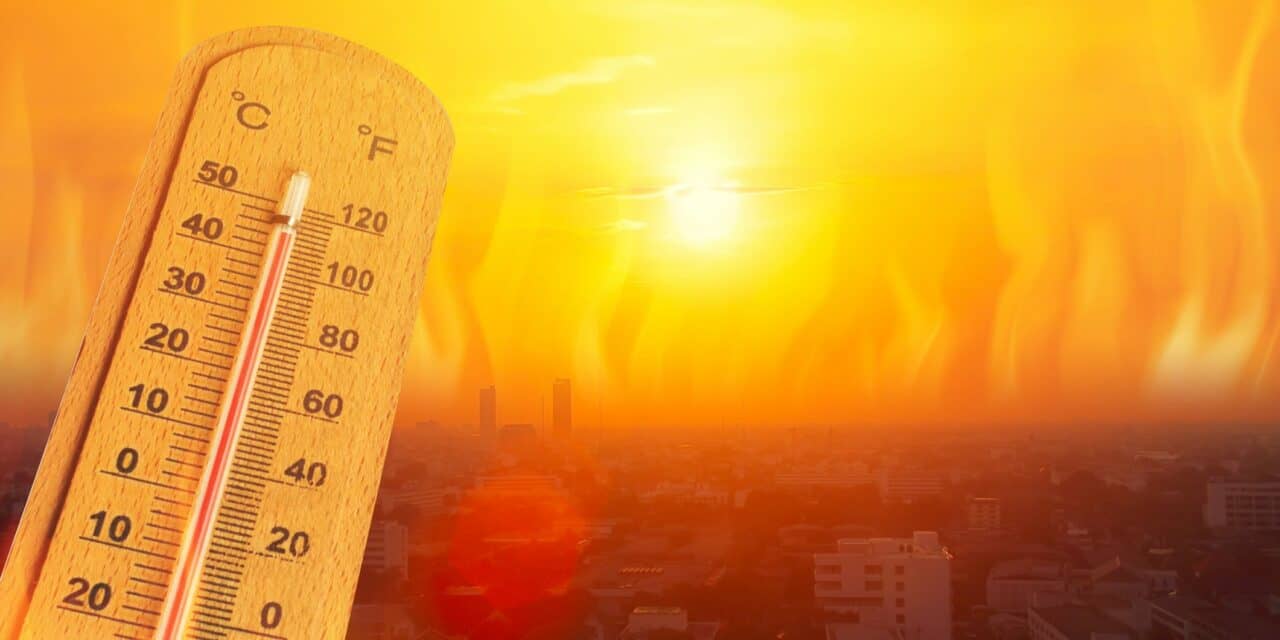
A systematic review links extreme temperatures, hurricanes, and wildfire smoke to higher rates of cardiovascular disease and mortality.
Summary: Researchers at Beth Israel Deaconess Medical Center have conducted a systematic review of 492 observational studies, finding a strong link between climate change-related disturbances—such as extreme temperatures, hurricanes, and wildfire smoke—and increased heart disease and mortality. The study, published in JAMA Cardiology, highlights that older adults, racial and ethnic minority groups, and lower-income communities are disproportionately affected by these environmental stressors.
Key Takeaways:
- The study identified that extreme weather events like heatwaves, hurricanes, and wildfire smoke significantly increase the incidence and mortality rates of cardiovascular disease.
- The research shows that older adults, minority groups, and lower-income communities are particularly vulnerable to the cardiovascular impacts of climate change-related environmental stressors.
- The findings suggest a need for further studies to quantify the risks accurately and highlight the importance of urgent action to mitigate the cardiovascular health impacts of climate change, especially in the most affected populations.
Researchers have found that climate change-related disturbances, such as extreme temperatures and hurricanes, are linked to worse cardiovascular health.
Over the last century, NASA confirms the average global temperature has risen by more than two degrees Fahrenheit, leading to long-term shifts in average weather patterns, disturbance of ecosystems, and rising sea levels. Additionally, the 10 hottest years on record have all occurred in the past decade.
Linking Climate Change and Cardiovascular Disease
In a new study, researchers at Beth Israel Deaconess Medical Center conducted a systematic review of 492 observational studies to determine whether there is a link between climate change-related environmental stressors and cardiovascular disease. The investigators found that extreme temperatures and hurricanes are strongly associated with increased
cardiovascular disease mortality and incidence of disease and that older adults, individuals from racial and ethnic minoritized populations, and those from lower wealth communities are disproportionately affected.
The findings appear in JAMA Cardiology.
“Climate change is already affecting our cardiovascular health. Exposure to extreme heat can adversely affect heart rate and blood pressure. Exposure to ozone or wildfire smog can trigger systemic inflammation. Living through a natural disaster can cause psychological distress, and hurricanes and floods may disrupt healthcare delivery through power outages and supply chain disruptions. And in the long-term, the changing climate is projected to produce declines in agricultural productivity and the nutritional quality of the food supply, which could also compromise cardiovascular health,” says corresponding author Dhruv S. Kazi, MD, associate director of the Richard A. and Susan F. Smith Center for Outcomes Research at Beth Israel Deaconess Medical Center, in a release.
He adds in a release, “We know that these pathways have the potential to undermine the cardiovascular health of the population, but the magnitude of the impact, and which populations will be particularly susceptible, need further study.”
Data Analysis
Kazi and colleagues screened nearly 21,000 peer-reviewed studies published between 1970 and 2023 that evaluated associations between acute cardiovascular events, cardiovascular mortality and cardiovascular disease healthcare utilization and climate change-related phenomena, including extreme temperatures; wildfires and the resulting air pollution; ground-level ozone; extreme weather events including hurricanes dust storms and droughts; sea level rise; salt-water intrusion, and climate-related migration.
Of the 492 global observational studies that met the team’s inclusion criteria, 182 examined extreme temperature, 210 looked at the effects of ground-level ozone, 45 investigated wildfire smoke and 63 studied extreme weather events such as hurricanes, dust storms and droughts. The studies presented findings from 30 high-income, 17 middle-income, and one low-income country.
Findings and Implications
The investigators determined that exposure to extreme temperature was strongly linked with increased incidence of cardiovascular disease and cardiovascular disease mortality, but the impact varied depending on the temperature and the duration of exposure. Extreme weather events such as tropical storms, hurricanes/cyclones, floods and mudslides were also linked to increased cardiovascular risk, which often outlasted the severe weather event by months, if not years.
Kazi and colleagues note that one study of Hurricane Sandy, which caused close to $20 billion dollars worth of damage in New York City alone in 2012, showed that the risk of death from cardiovascular disease remained elevated up to 12 months after the storm. Some studies showed that exposure to wildfire smoke—which can affect populations hundreds of miles from the source—increased the risk of events like cardiac arrest, while others did not find such an effect.
“Given how many Americans are now being exposed to wildfire smoke every year—as was the case of wildfire smoke from Canadian fires affecting New York City last summer—further studies to accurately quantify this risk are urgently needed,” says Kazi in a release.
Gaps in Knowledge and Future Directions
The researchers also found “concerning” gaps in knowledge with respect to climate change-related impacts on cardiovascular risk in lower-income nations. Just one study was conducted in a low-income country and only five were based in Africa, where climate change is expected to have disproportionate effects.
“Though data on outcomes on low-income countries are lacking, our study shows that several of the environmental stressors that are already increasing in frequency and intensity with climate change are linked with increased cardiovascular risk,” says senior author Mary B. Rice, MD, MPH, a pulmonary and critical care physician in the division of Pulmonary and Critical Care Sleep Medicine at Beth Israel Deaconess Medical Center, in a release.
Recommendations for Clinicians and Health Systems
The authors note that these findings suggest that clinicians should consider evaluating each patient’s cardiovascular disease risk from climate change-exposures based on individual, community, and health system attributes.
Clinicians should also be aware of environmental exposure-related cardiovascular risk in their community, whether related to extreme temperature, wildfire smoke, or extreme weather events. For instance, in areas prone to hurricanes or flooding, clinicians should assist patients in developing contingency plans to ensure uninterrupted access to medications and healthcare as needed. And health systems should evaluate the resilience of their infrastructure to climate change.
Kazi adds in a release, “Climate change is already adversely affecting cardiovascular health in the US and worldwide. Urgent action is needed to mitigate climate change-related cardiovascular risk, particularly among our most vulnerable populations.”
Photo 153435212 © Korn Vitthayanukarun | Dreamstime.com


