
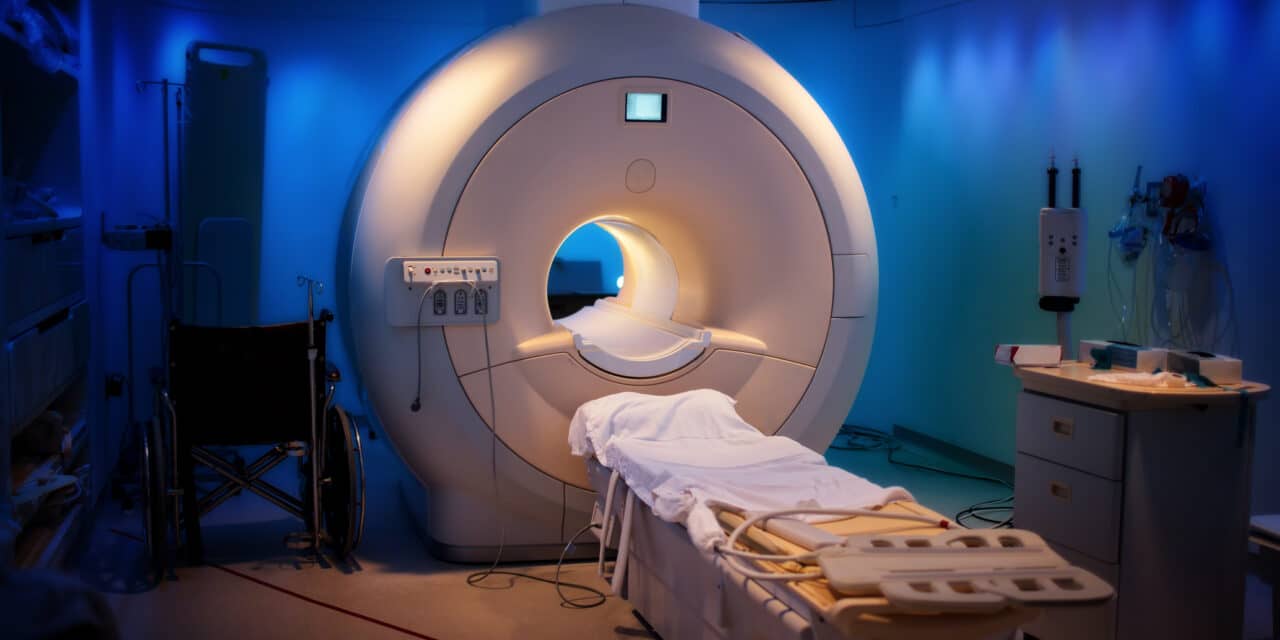
A comprehensive longitudinal cohort study explores the safety and functionality of MRI scans in patients with non–MRI-conditional implantable cardioverter-defibrillators (ICDs). By analyzing a substantial patient population and monitoring long-term outcomes, the study sheds light on the potential benefits and reassures clinicians and patients regarding the safety of MRI scans in this specific group.
The study enrolled a total of 629 patients with non–MRI-conditional ICDs who had a clinical indication for MRI. Rigorous exclusion criteria were employed, including patients with recent lead adjustments, permanent surgical epicardial leads, subcutaneous ICD systems, and pacing-dependent individuals without asynchronous pacing capability. Device reprogramming and deactivation of certain features were performed before and during the MRI procedure. Patient follow-up and device interrogations were conducted at regular intervals.
No Adverse Patient Outcomes or Device Malfunctions
In this cohort, consisting of 629 patients who underwent 813 MRI scans, no direct evidence of ICD failure to deliver therapy was observed. Additionally, none of the 210 deaths that occurred during the study period were attributable to prior MRI exposure. The study findings provide reassurance that 1.5 Tesla MRI scans do not induce clinically significant functional changes in non–MRI-conditional ICDs, aligning with previous research in this area.
Ensuring patient safety while providing optimal care is of utmost importance in managing patients with ICDs. This study significantly contributes to the growing body of evidence on the safety of MRI scans in individuals with non–MRI-conditional ICDs. The findings offer valuable insights and support expanding access to MRI imaging for patients who rely on these life-saving devices, broadening diagnostic possibilities and enhancing overall healthcare outcomes.
Implications for Clinical Practice and Future Research
The study’s results have notable implications for clinical practice, empowering healthcare providers to confidently recommend MRI scans to patients with non–MRI-conditional ICDs when clinically indicated. As further research continues to accumulate, it is essential to explore the safety and efficacy of MRI scans at higher magnetic field strengths and in different populations. Continued investigation will help refine guidelines and expand the utilization of this vital diagnostic tool in an ever-growing patient population.


