
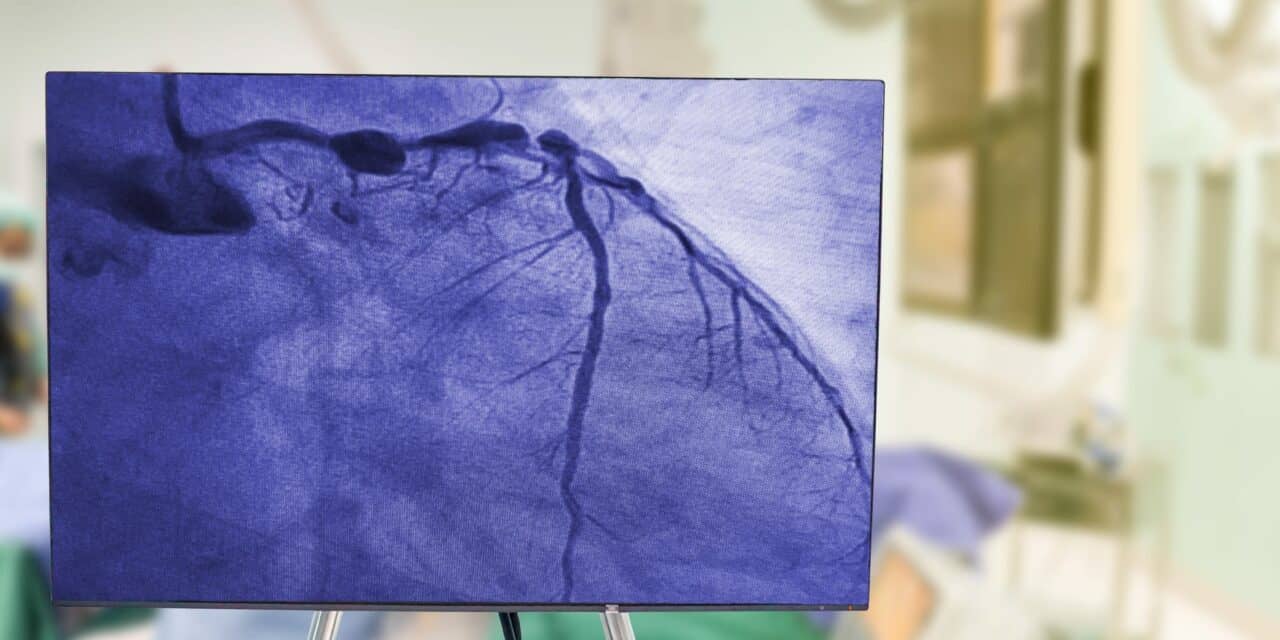
The BEST Trial, conducted across 27 centers in East Asia, aimed to compare the cardiovascular outcomes of patients with multivessel coronary artery disease (CAD) who underwent percutaneous coronary intervention (PCI) with everolimus-eluting stents versus coronary artery bypass grafting (CABG). While the trial was terminated early due to slow recruitment, it yielded significant findings regarding the primary endpoint of death, myocardial infarction, or target-vessel revascularization.
At the two-year mark, PCI did not demonstrate noninferiority to CABG for the primary endpoint. Moreover, longer follow-up revealed that PCI was inferior to CABG, highlighting the importance of complete revascularization and the higher revascularization rate associated with PCI.
The BEST Extended Follow-Up Study delved deeper into the outcomes of PCI and CABG over an extended period, providing a median follow-up of 11.8 years. Unlike previous trials, no statistically significant differences were found in the incidence of the primary endpoint between the two groups.
The narrowing gap in outcomes between PCI and CABG can be attributed, in part, to advancements in PCI procedures. The utilization of second-generation everolimus-eluting stents and increased intravascular ultrasound usage has contributed to improved outcomes for patients undergoing PCI.
While the long-term outcomes of PCI and CABG are comparable in the BEST Extended Follow-Up Study, further investigation is required to fully understand the mortality benefit of CABG. Until then, a Heart Team approach is recommended to evaluate the best revascularization option for each patient, considering factors such as disease severity and individual needs.


