Summary
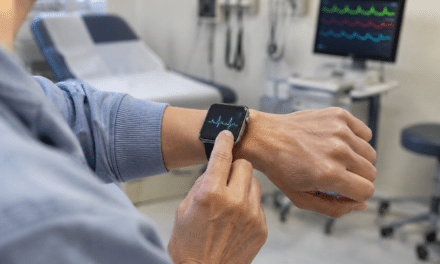
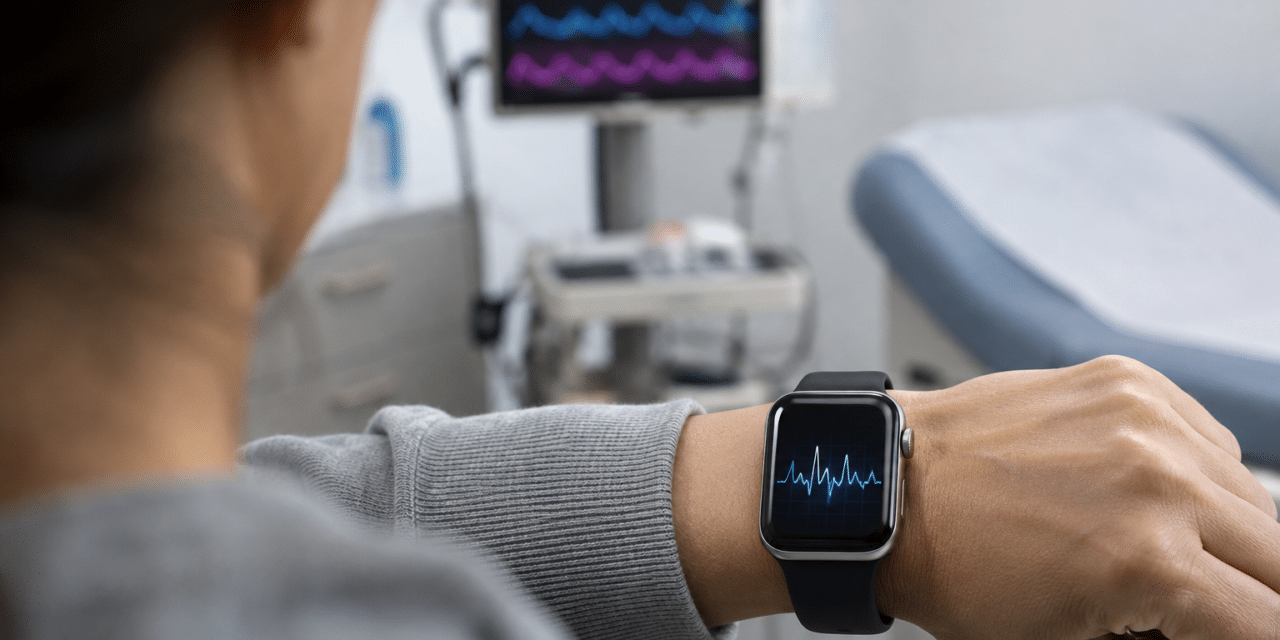
PulseAI announced that its artificial intelligence model for arrhythmia analysis in wearables received 510(k) clearance from the US Food and Drug Administration (FDA). The company cited a comparison with the Apple Watch’s built-in algorithm that assessed atrial fibrillation detection and how often the algorithms returned inconclusive interpretations.
Key Takeaways
- In a prospective study of 296 participants, PulseAI’s algorithm improved atrial fibrillation detection sensitivity and reduced inconclusive interpretations by 92% vs the Apple Watch’s native algorithm.
- The model is designed to work with compatible ECG devices and software platforms, returning structured results to the connected application for clinical review.
- Following clearance, PulseAI plans to bring the model to devices and platforms already in use, according to its CEO and founder.
Arrhythmia analysis of wearable ECG recordings is the task of a PulseAI model that received FDA 510(k) clearance, according to PulseAI’s Nov 5 release, issued in 2026.
IDC put worldwide smartwatch sales at 164 million in 2025. PulseAI said most smartwatch models offer some form of heart rhythm monitoring, leaving health care providers to interpret recordings made outside hospitals and clinics.
PulseAI said inconclusive ECG results can require manual review, repeat recordings, and patient follow-up. The company identified reducing those results as a way to potentially cut the staff time needed to review patient-generated recordings.
PulseAI said atrial fibrillation is the most common sustained heart rhythm disorder and affects tens of millions of people worldwide. The condition can occur without symptoms, and when untreated, it is associated with an approximately fivefold higher risk of ischemic stroke, depending on individual risk factors, the company said. Detecting the condition allows clinicians to assess stroke risk and consider treatment, the company said.
In a prospective study of 296 participants published in Heart Rhythm, PulseAI’s algorithm detected atrial fibrillation with greater sensitivity than the Apple Watch’s native algorithm. It also yielded 92% fewer inconclusive interpretations than the watch’s algorithm.
“With FDA clearance, our focus now is bringing this capability into the devices and platforms in use by millions every day,” says Dr Alan Kennedy, CEO and founder of PulseAI, in a release.
The technology is designed to integrate with compatible ECG devices and software platforms. It analyzes submitted recordings automatically in the cloud and sends structured results back to the connected application for clinical review.
Innovation Ulster Limited, the investment arm of Ulster University, led a PulseAI investment round alongside the Mortara Group. Paul Bartholomew, vice chancellor at Ulster University, highlighted PulseAI’s progression from a university spin-in to FDA clearance and said the university looked forward to supporting the company’s continued growth.