
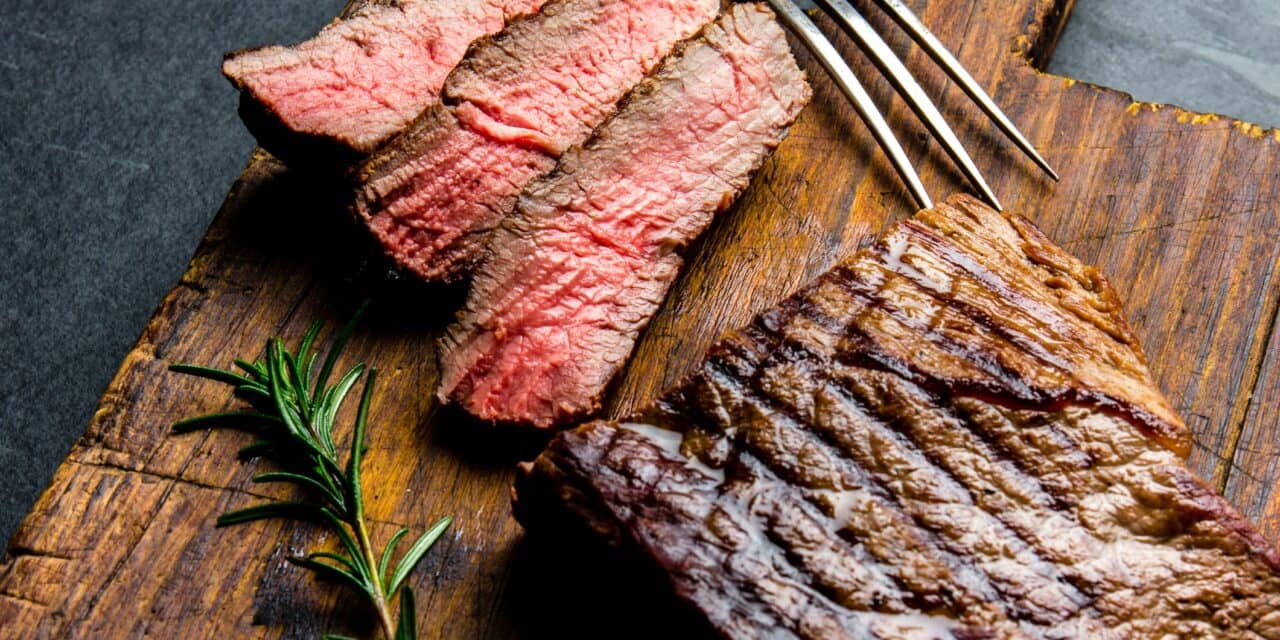
Red meat has long been a staple in many diets around the world, but a new study suggests that it may come with significant health risks. A systematic review and meta-analysis conducted by researchers aimed to investigate the association between red meat consumption and cardiovascular disease (CVD) as well as diabetes. The findings were alarming, highlighting the need for individuals to reconsider their dietary choices to promote better heart health and reduce the risk of diabetes.
The study analyzed a vast body of evidence, including 7,446 studies on cardiovascular disease and 1,890 studies on diabetes. From these, a total of 70 observational studies were included in the analysis, providing a robust foundation for the findings. The results revealed a clear and consistent association between red meat consumption and both CVD and diabetes.
Both processed and unprocessed red meat showed positive associations with CVD. For unprocessed red meat, the hazard ratio (HR) was 1.11 (95% confidence interval [CI], 1.05-1.16) per 100g/day increment, while for processed red meat, the HR was 1.26 (95% CI, 1.18-1.35) per 50g/day increment. These figures indicate a higher risk of developing cardiovascular disease with increased consumption of red meat.
The association between red meat consumption and diabetes followed a similar pattern. The HR for unprocessed red meat was 1.27 (95% CI, 1.16-1.39), while for processed red meat, it was 1.44 (95% CI, 1.27-1.63). This suggests that both types of red meat pose a substantial risk for developing diabetes.
Interestingly, the study found no differences in these associations based on sex. Whether male or female, the risks associated with red meat consumption remained consistent. This underscores the need for both men and women to be aware of the potential health consequences of consuming red meat.
Additionally, the study examined the impact of different settings on the association between red meat consumption and health outcomes. It was observed that the associations with stroke and type two diabetes mellitus (T2DM) were higher in western settings. This suggests that dietary patterns and geographic regions play a role in influencing the health risks associated with red meat consumption.
The study’s conclusions are clear: both processed and unprocessed red meat consumption are linked to a higher risk of cardiovascular disease, including coronary heart disease, stroke, and heart failure, as well as diabetes. These findings align with current guidelines that recommend limiting red meat intake for improved cardiometabolic health.
To mitigate these risks, adopting a dietary pattern that is high in plant-based foods is recommended for most adults, especially those at risk for cardiovascular disease and diabetes. Increasing the intake of fruits, vegetables, whole grains, legumes, and lean protein sources such as poultry and fish can provide essential nutrients while reducing reliance on red meat.
It is important to note that this study does not suggest that individuals need to completely eliminate red meat from their diets. However, it emphasizes the need for moderation and a balanced approach to food choices.
The association between red meat consumption and cardiovascular disease as well as diabetes is clear and supported by robust evidence. By making informed dietary decisions and prioritizing a plant-based eating pattern, individuals can take proactive steps to improve their cardiometabolic and overall health.


